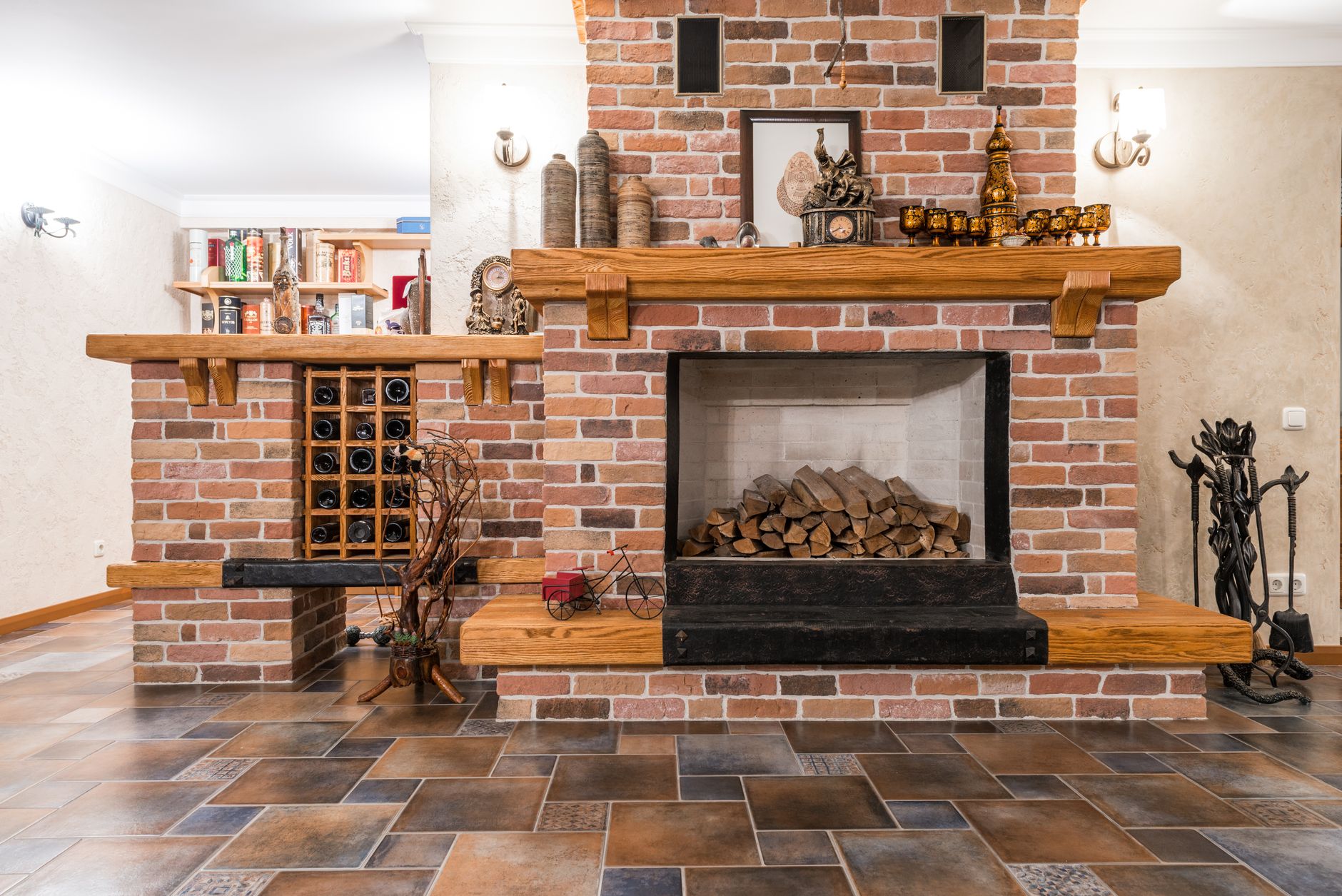
An inspection is the difference between assuming the flue is fine and knowing it. Level 1 comes with the annual sweep; Level 2 adds a full camera scan and is the right call at purchase, after a suspected flue fire, after storm damage, and when a stove or insert changes what the flue is asked to do.
Reasons to schedule this service
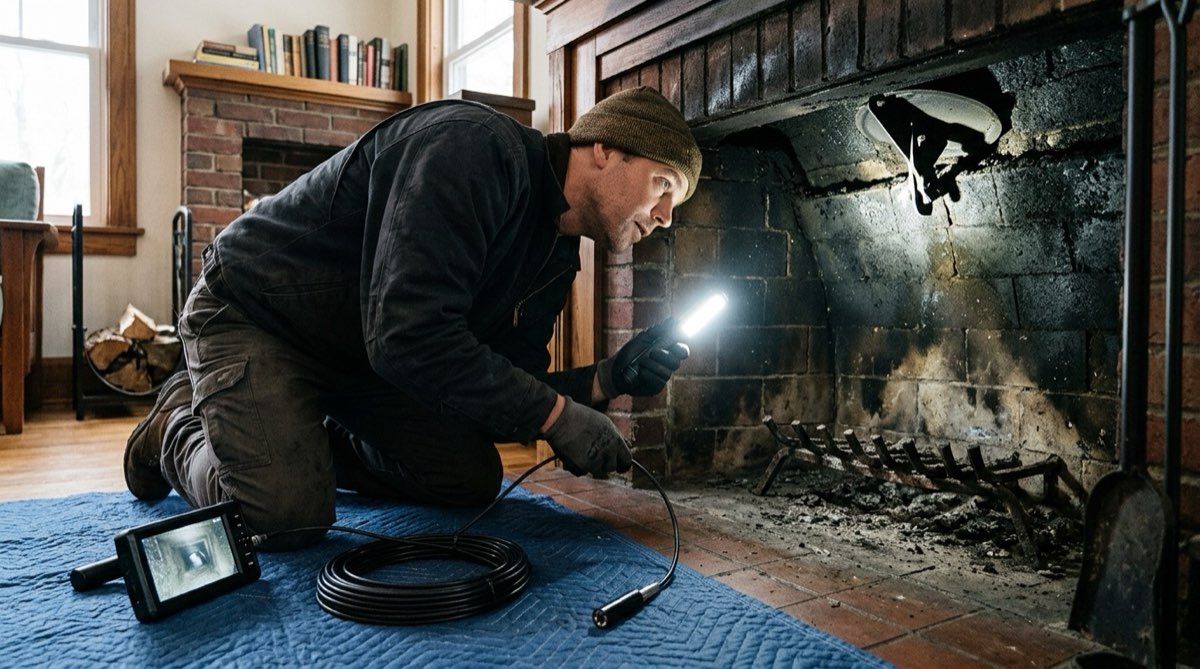
An inspection makes sense before you rely on the fireplace if you notice any of these:
- you bought the home and do not know when the chimney was last used
- a sale, remodel, insert, or stove change needs documentation
- water stains, odor, smoke rollout, or missing parts need a closer look
What matters for Spokane properties
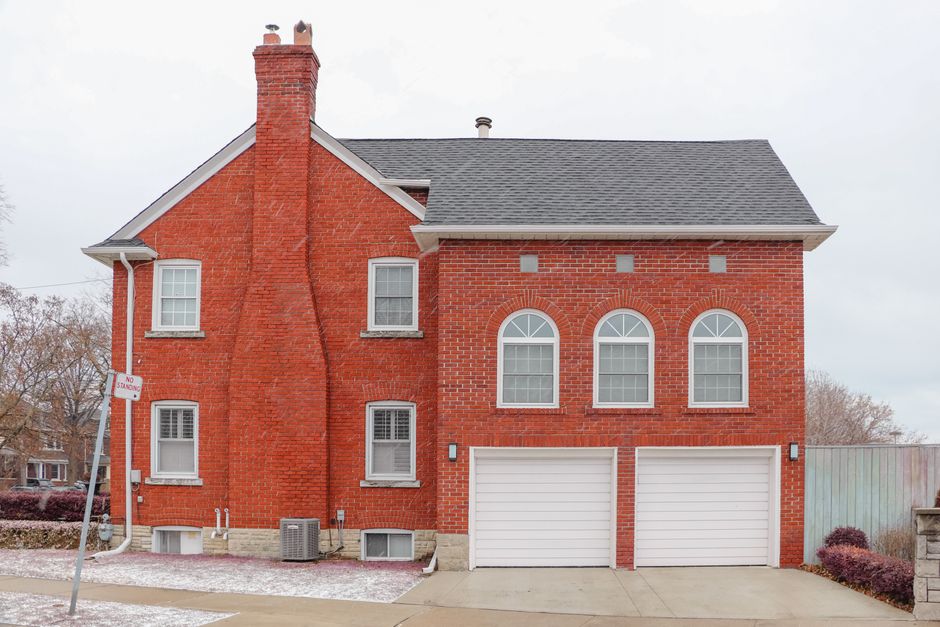
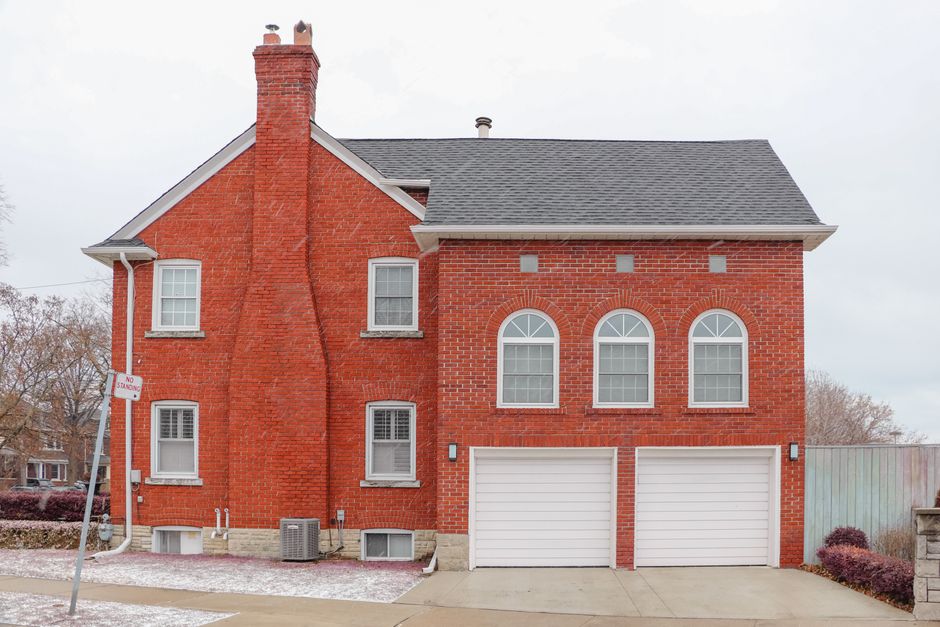
Spokane's housing stock keeps inspectors busy: pre-1960 brick homes with original clay liners, decades of wood-stove retrofits, and freeze-thaw that works the masonry from November to March. Snow also closes the roof for much of winter — one more argument for the camera going up in fall, not February.
What changes the estimate for this visit
- inspection level
- camera access
- fireplace or stove type
- visible masonry or liner damage
- roof, attic, and cap access
How the work usually goes
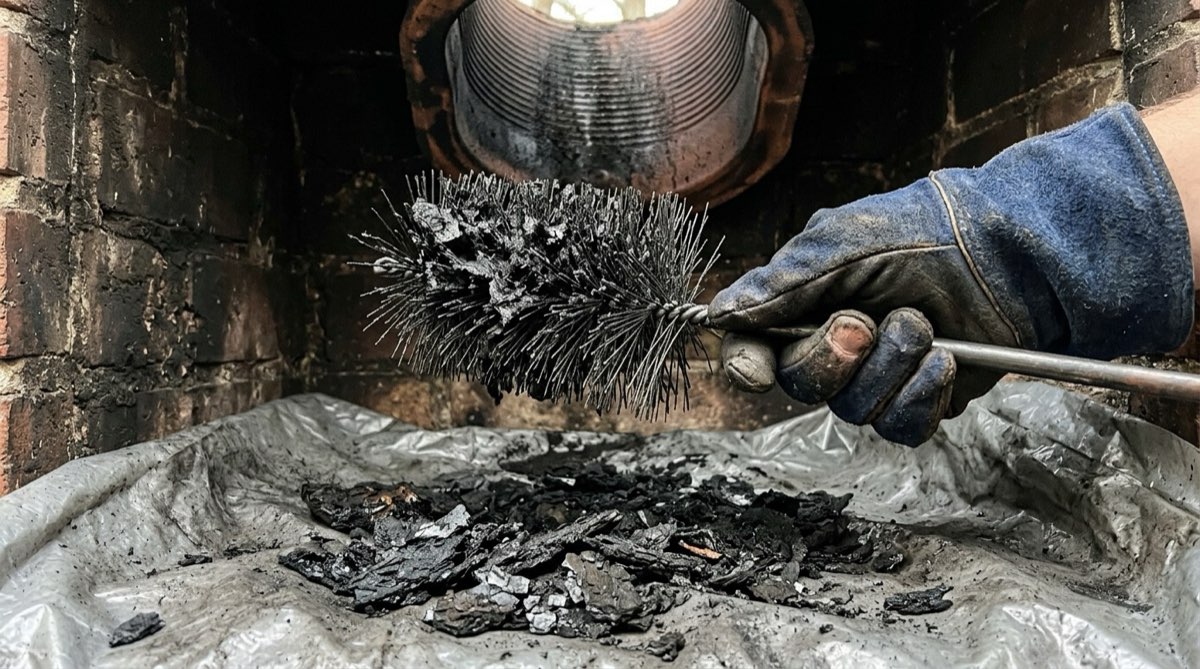
A full inspection covers, in order:
- Appliance And Access Review: We start with the reason for the inspection and whether the system is being used now.
- Flue And Exterior Inspection: The firebox, damper, smoke chamber, liner access, exterior stack, cap, crown, and flashing are reviewed where reachable.
- Cleaning Or Repair Plan: Camera work or a higher-level inspection is discussed if the concern cannot be confirmed visually.
- Sweep Repair Or Vent Work: Cleaning is separated from inspection so soot removal does not hide a repair question.
- Draft Leak And Safety Review: We explain what looks usable, what needs attention, and what should be checked before regular burning.