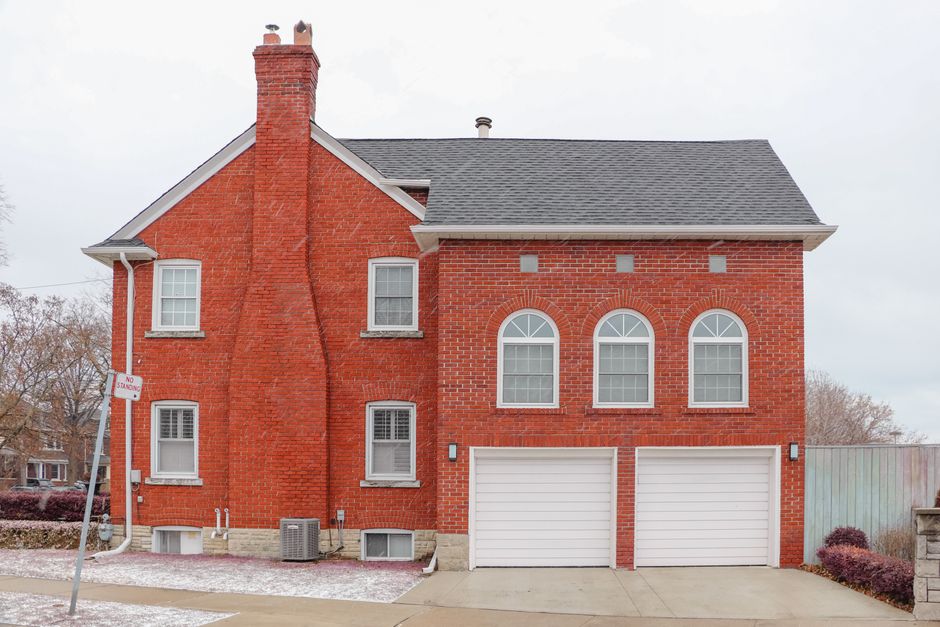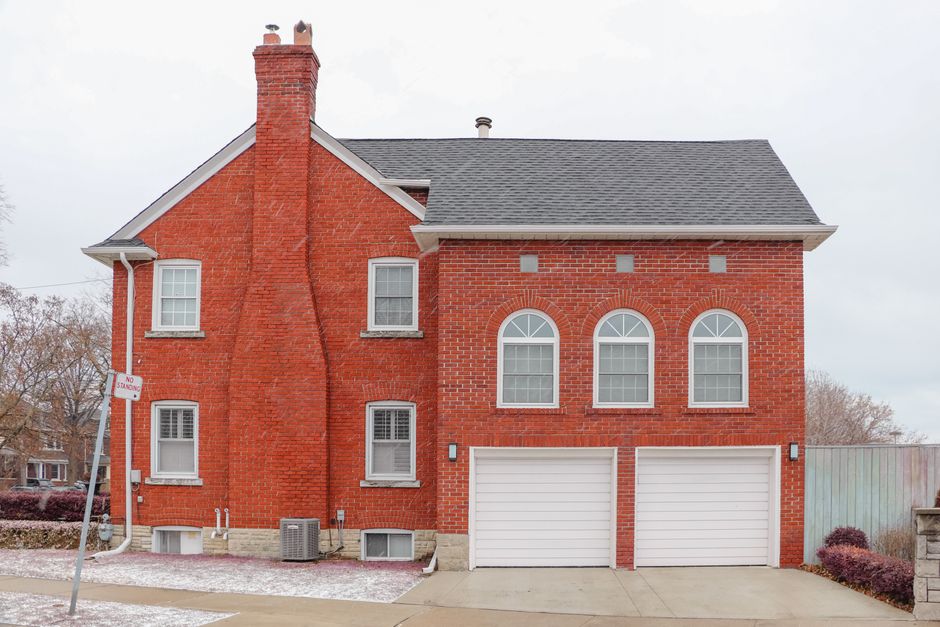
A cap earns its cost faster than any other part on the chimney: it keeps rain and snowmelt out of the flue, screens out the birds and squirrels that treat open flues as nest sites, and arrests the embers that would otherwise land on the roof.
Reasons to schedule this service
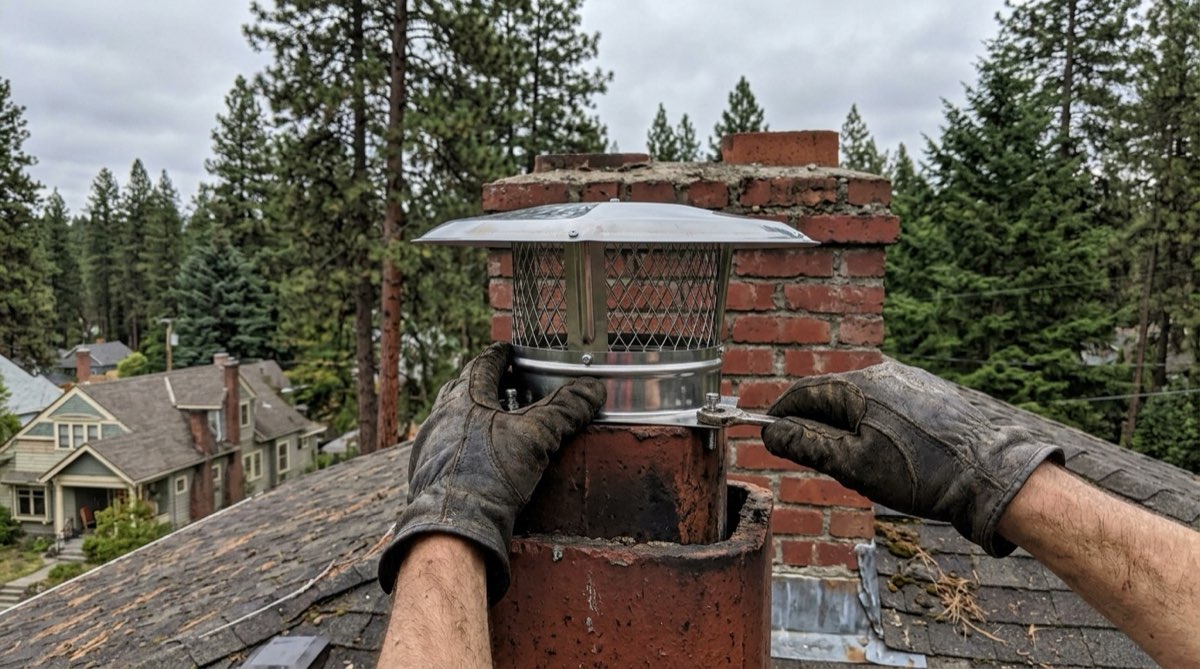
A cap should be checked or replaced when you notice any of these:
- rainwater or debris shows up inside the firebox
- birds, leaves, or nesting material are found near the flue
- the existing cap is missing, loose, crushed, or badly rusted
What matters for Spokane properties
Spokane weather is hard on caps — wind events bend them, ice loads work the fasteners loose — and every uncapped month lets water rust the damper and soak the smoke shelf. A binocular check each fall, and after any big storm, is the two-minute habit that catches a missing cap before the flue pays for it.
What changes the estimate for this visit
- flue size
- crown shape
- stainless or galvanized material
- wind exposure
- safe ladder or roof access
How the work usually goes
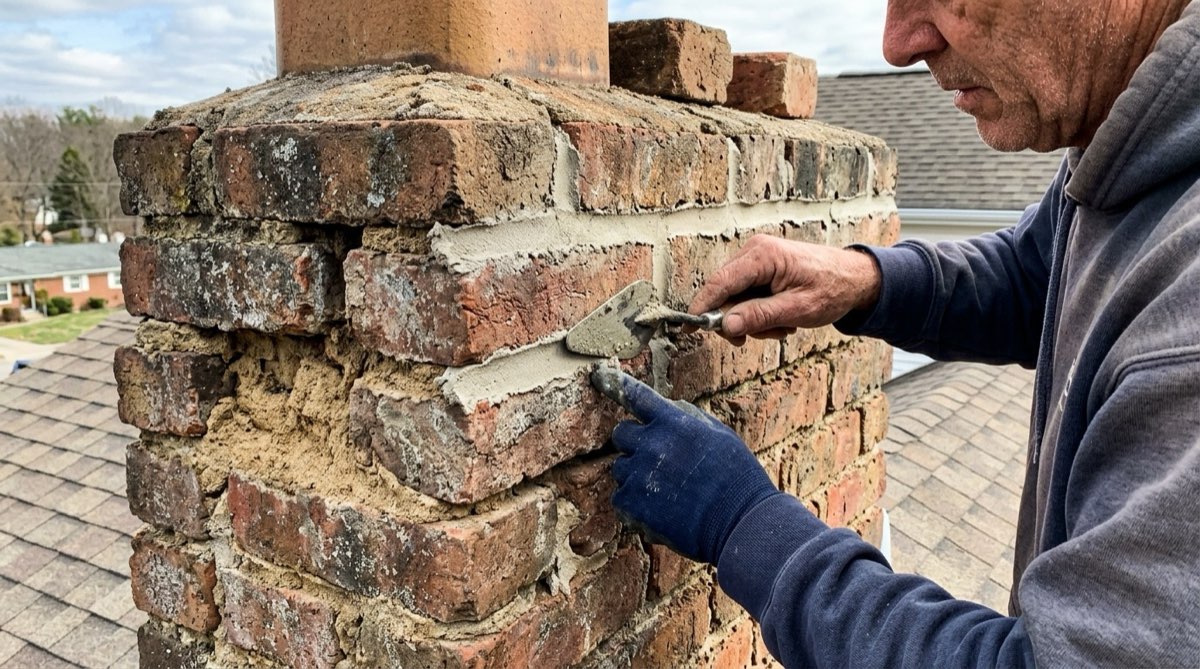
The install is short but exact:
- Appliance And Access Review: We ask what happened first: rain, animals, missing metal, rust stains, or debris.
- Flue And Exterior Inspection: The flue opening, crown, existing cap, screen, spark arrestor, and roof access are checked.
- Cleaning Or Repair Plan: We confirm whether a cap solves the issue or whether crown, masonry, or flashing work should come first.
- Sweep Repair Or Vent Work: The cap is selected and installed to fit the opening and exposure as closely as the chimney allows.
- Draft Leak And Safety Review: We explain any water or debris concerns that remain after the new cap is in place.