No two flues price identically, so instead of a fake flat rate, here is what the person quoting your sweep is actually weighing. When the number comes in, you should recognize every piece of it.
The starting point
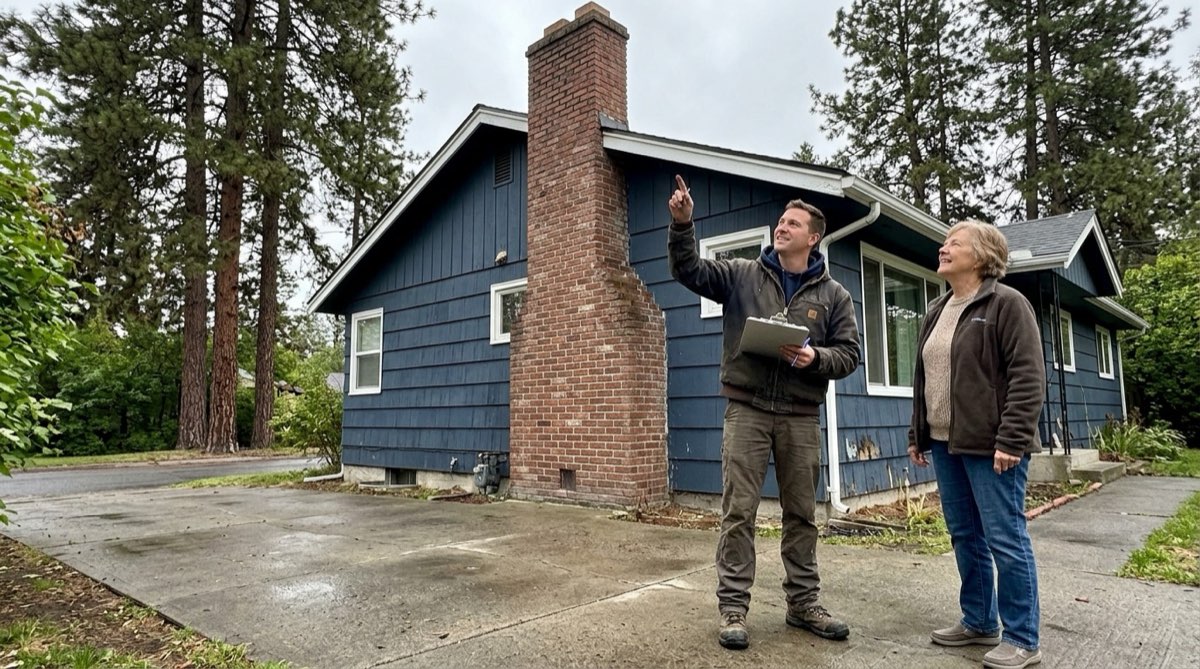
A standard open fireplace with dusty, brushable soot is the baseline: protect the room, brush the flue, vacuum the fallout with a HEPA unit, haul the debris. About an hour when access is simple.
The multipliers
Wood stoves rule this town, and they cost more to clean than open fireplaces — the stove or insert usually comes forward off the hearth, the connector pipe gets brushed separately, and gaskets get checked while it is apart.
Buildup stage is the other lever. Pine glaze — hard, shiny, stage-three creosote — needs rotary equipment or chemical treatment across several visits' worth of work, and no honest company charges brush prices for it.
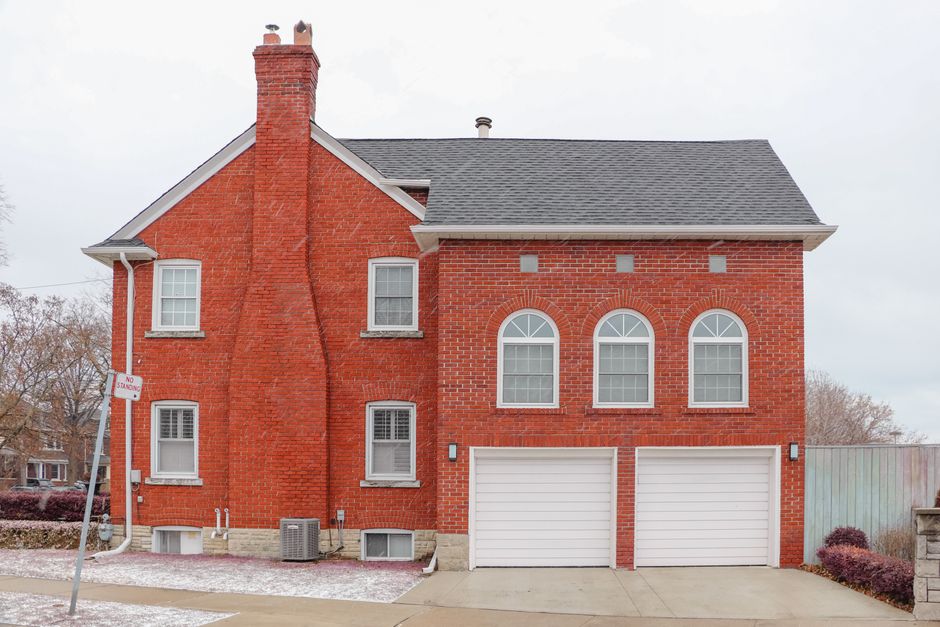
Steep metal roofs, two-story chimneys, and winter snow all add setup time. Time is the unit everything else converts to.
Add-ons worth saying yes to
A camera inspection when the flue's history is blank, a cap where there is none, crown sealing caught early — these are cheap while they are small. The test of legitimacy is documentation: photos of what they found and a written price you can sit with.
The pattern to walk away from is the inverse: a rock-bottom coupon sweep that pivots into a same-day, sign-now repair pitch.
Comparing bids like a pro
Level the scope first — one flue or two, stove pulled or not, inspection included or separate, cleanup spelled out. Then prefer the company that shows before-and-after flue photos as a habit. In this trade, cameras and honesty travel together.
What to have ready when you book
Fireplace or stove, what you burn, last service date, roof pitch and height if you know them, and anything the flashlight showed you up the flue. Five answers, and the quote you get is real instead of a teaser.
Treat suspiciously low offers as marketing spend that someone intends to recover — usually across your kitchen table, the same afternoon.