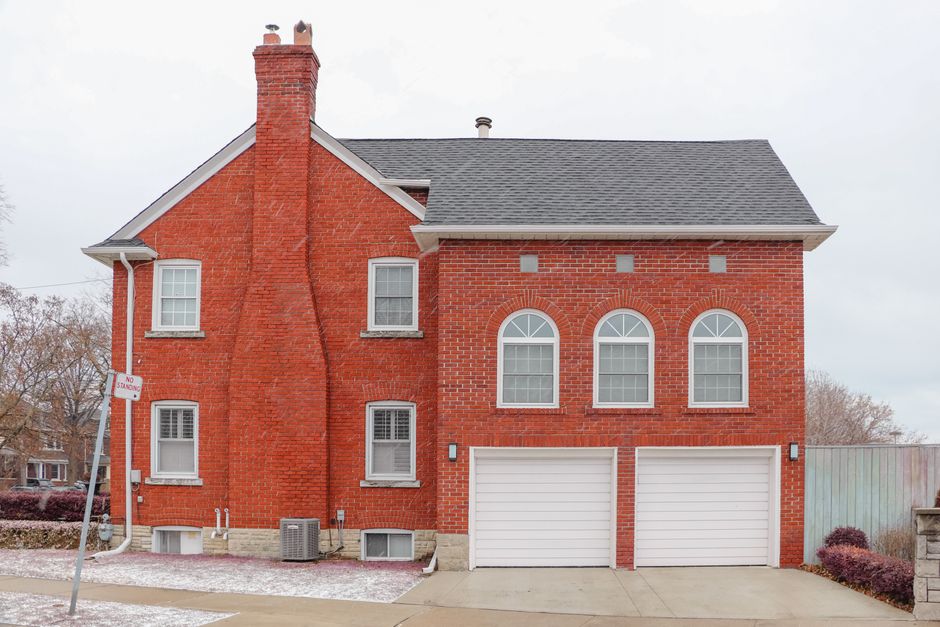
A fireplace that smells in August has nothing wrong with it that physics didn't do. Warmth and humidity wake up the creosote, and a house running fans with the windows shut pulls flue air into the room. Spokane's dry climate softens the problem compared to the Midwest — but afternoon heat, sprinkler humidity, and a summer storm still bring it on.
The source
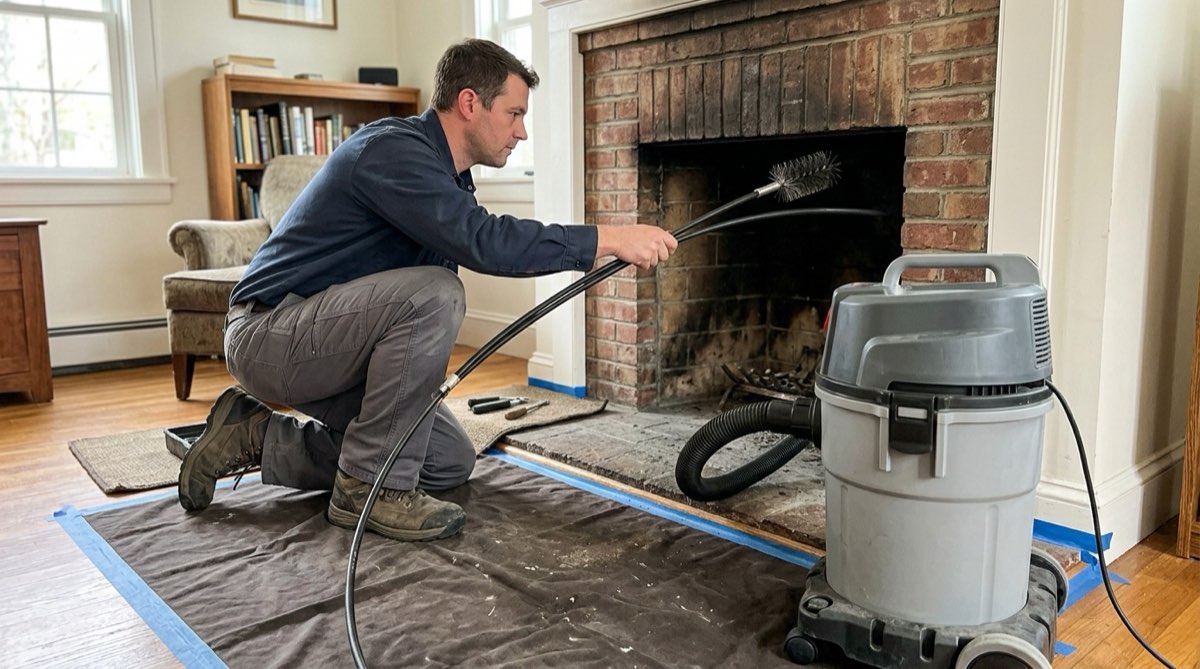
Creosote is tar, and warm tar off-gasses. A flue that burned pine all winter holds plenty of it, and the smoke shelf — the ledge behind the damper — collects both residue and whatever rain an uncapped flue admits.
If the odor is sharp and tarry, the flue is talking. If it is musty or animal, think nest: uncapped Spokane chimneys collect birds every spring.
The delivery system
Summer houses exhaust air — bath fans, kitchen hood, dryer — and sealed windows mean replacement air comes down the path of least resistance. An open flue with a leaky throat damper is exactly that path.
Quick test: close up the house, run the fans, and hold an incense stick at the fireplace opening. Smoke drifting into the room confirms the chimney is working as the intake.
Fixes in the right order
Sweep out the source — flue and smoke shelf both. Cap the flue against rain and wildlife. If the smell has been a repeat guest, add a top-sealing damper: it gaskets the flue shut at the crown and ends the airflow that carries the odor.
Deodorizers and charcoal trays are finishing touches after the mechanical fixes, never substitutes for them.
What it means for fall
A flue that smells in August is a flue with real residue in it — treat the odor as your reminder to book the fall cleaning early. You will have solved two problems with one visit.
One-paragraph action plan
Confirm the damper is shut and ease the fans off; if the smell fades you have the mechanism. Then sweep the source out, cap the flue, and — if this is a repeat summer guest — add the top-sealing damper and finish it permanently.
The odor is annoying, but it is also free information: a flue loud enough to smell in August is asking for its fall cleaning early, before the waitlist forms.