Chimney inspections come in three defined levels, and knowing them keeps you from over- or under-buying. Level 1 is the accessible-areas check bundled with an annual sweep. Level 2 runs a camera the length of the flue — the standard at property transfer, after any suspected flue fire, and when a stove or insert changes. Level 3 involves opening construction and is for confirmed serious damage.
What the camera catches
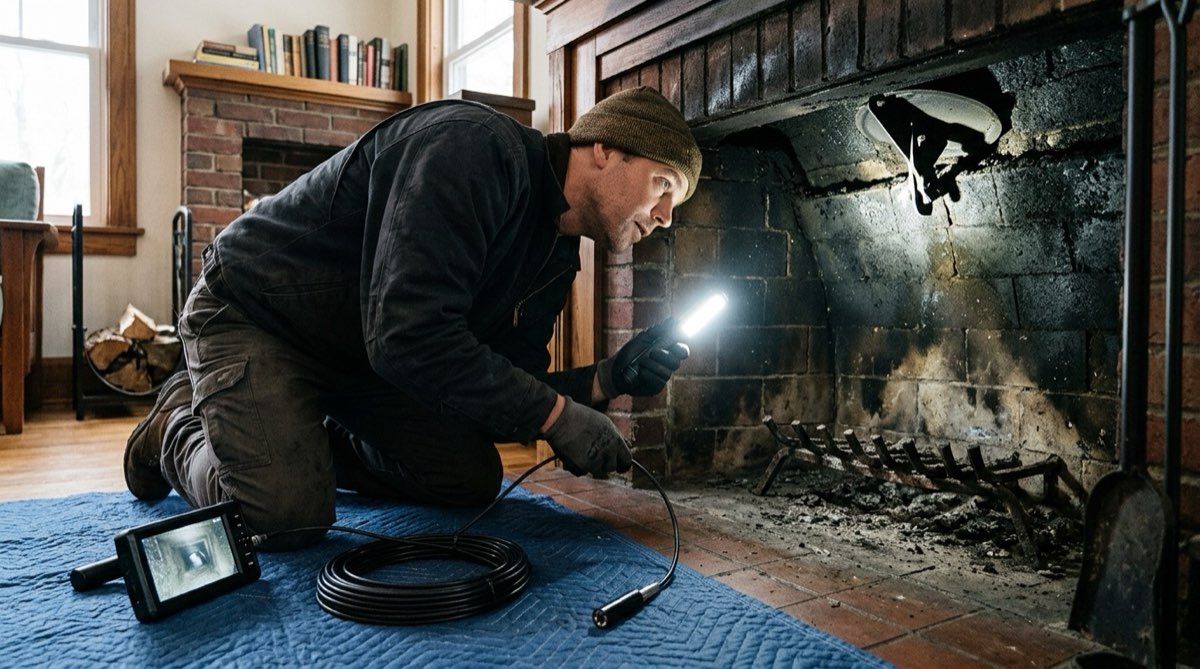
Cracked flue tiles, gaps at mortar joints, shifted liner sections, and the creosote stage — none of it visible from below. In Spokane's older housing stock, original 1920s-1950s liners have often gone unexamined for decades, and wood-stove retrofits from the 1970s-80s hid whatever they were vented into.
The smoke chamber above the firebox gets graded too: rough stepped brick there slows draft and holds buildup.
What the exterior tells
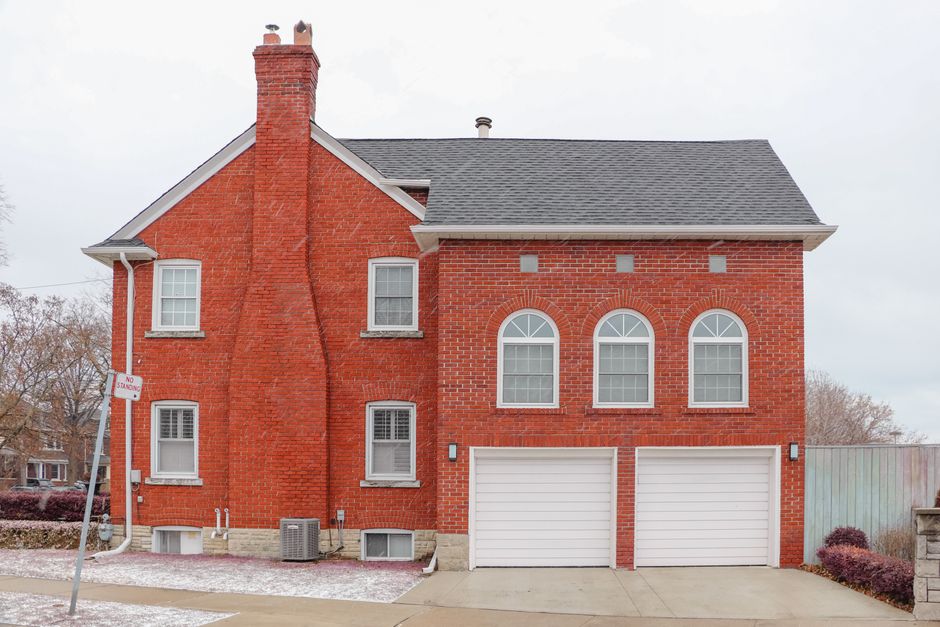
Freeze-thaw works on Spokane masonry from November to March: brick faces spall, crowns crack, and flashing lifts under snow load and ice. The inspection covers crown, cap, flashing, and brickwork while each is still a maintenance item rather than a rebuild.
Snow makes winter roof access slow and sometimes unsafe — one more reason the fall slot is the right one.
Matching level to situation
Annual burner with a known-good flue: Level 1 with the sweep. Buying a house, changing appliances, or anything suspicious in the flue's past: Level 2 with the written camera report. Confirmed structural damage: that is where Level 3 conversations start.
Paperwork and timing
Insist on a written report with photos at Level 2 — a verbal all-clear is worth what it costs. Book late summer; by mid-October every sweep in Spokane County is running a waitlist and you want findings fixed before the snow, not after.
The short version
Level 1 rides with the annual sweep and keeps a known flue honest. Level 2 with a camera belongs at every sale, appliance change, and after any scare — get the report with photos. Level 3 is for confirmed damage and comes with a bigger conversation.
In Spokane the calendar is half the game: inspect in late summer, fix in fall, and let the snow arrive on a chimney that is already done for the year.