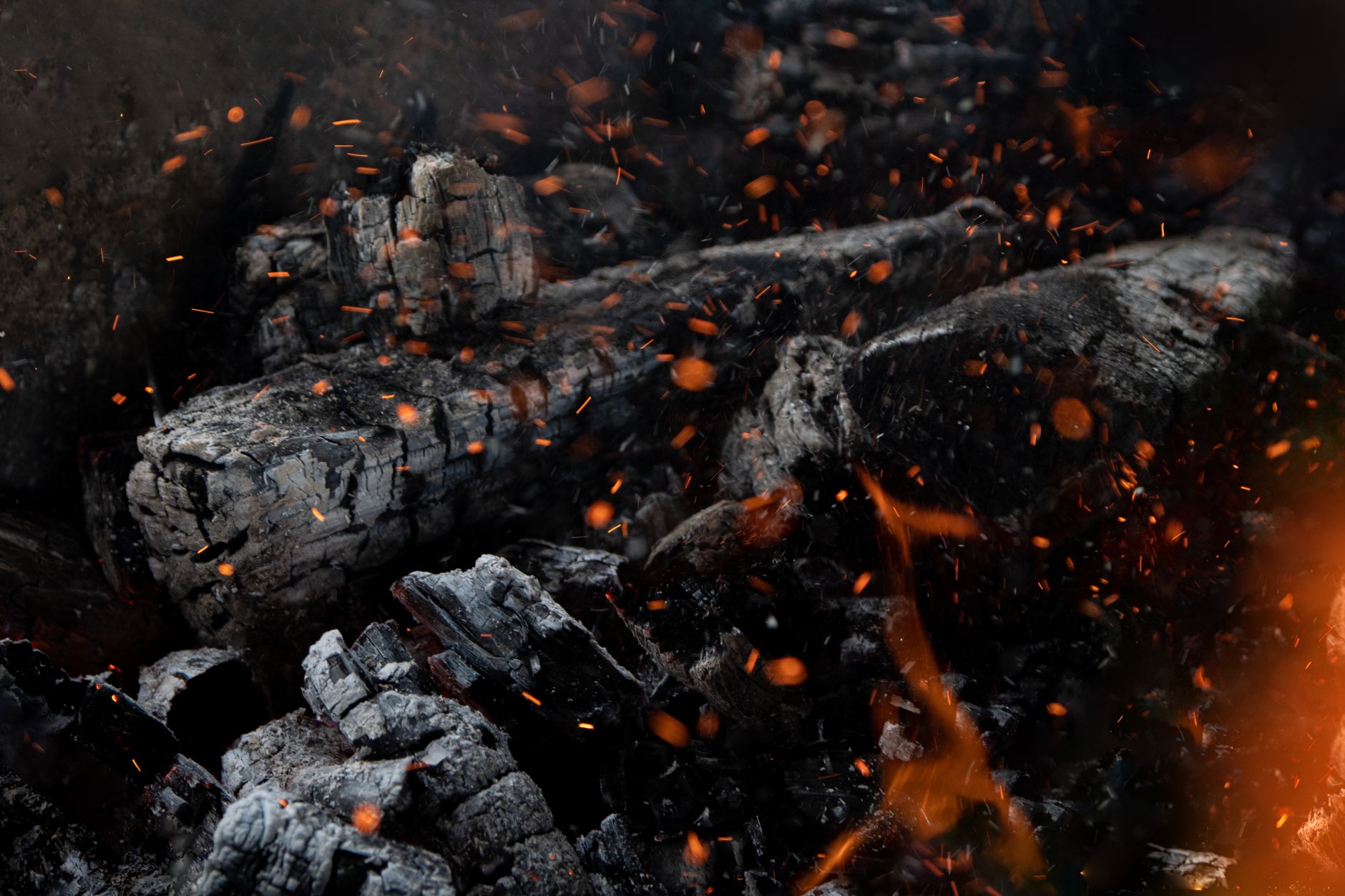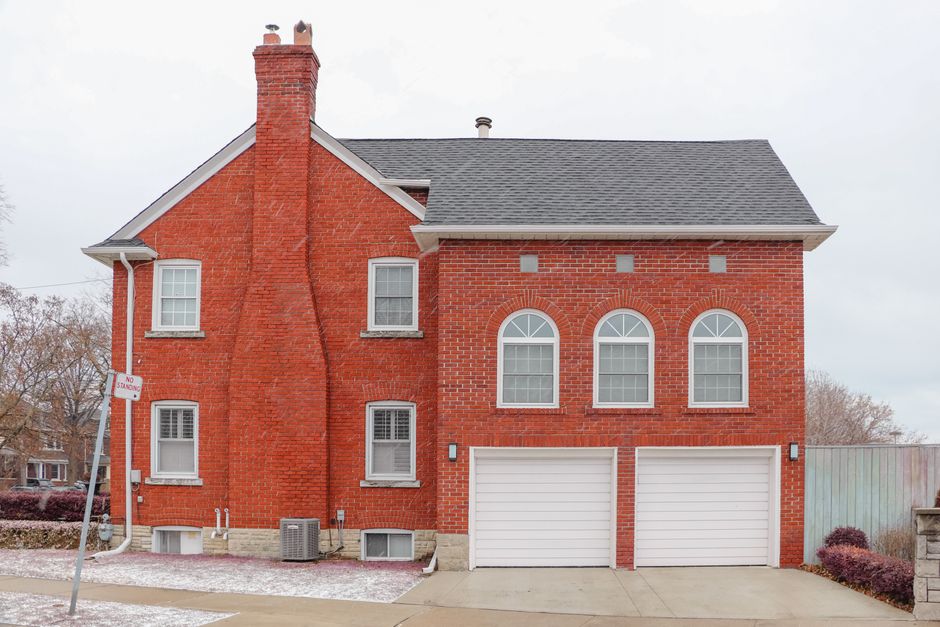
Ask any sweep working east of the Cascades and they will tell you the same thing: pine is the local hazard. Spokane burns a lot of ponderosa and lodgepole because it is what falls, and resinous softwood smoke lays creosote into a flue faster than the oak country back east ever sees. That is the local starting point for chimney fire risk.
How pine loads a flue
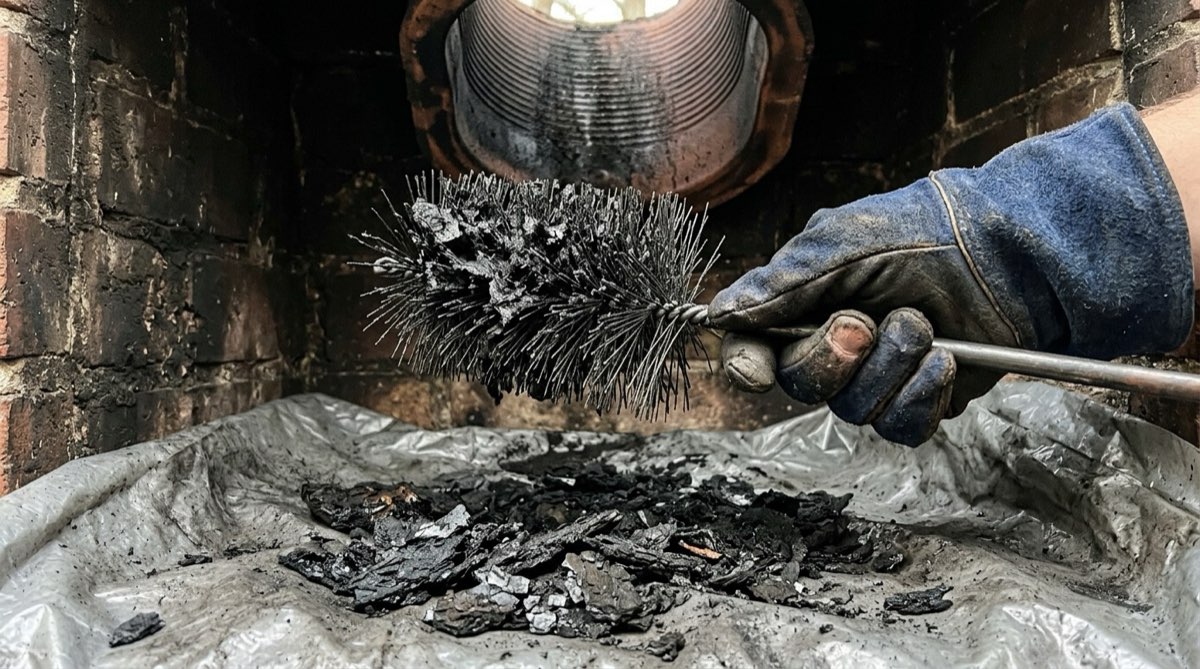
Pine's resins ride the smoke and condense on flue walls, especially when the wood is burned before it has fully dried or when a stove is damped down for the night. A winter of smoldering pine can deposit what two winters of dry hardwood would.
Pine can be burned safely — plenty of Spokane households do — but the rules tighten: a full year of seasoning, hotter fires, and a flue that gets looked at every fall without exception.
What a chimney fire looks and sounds like
Active fires announce themselves with a jet-engine roar, cracking sounds inside the masonry, flames or fat sparks at the cap, and a chimney exterior too hot to touch. Get out, call 911, and let the fire department clear it before anyone worries about the flue.
The quiet majority of chimney fires get discovered later: expanded, ash-colored creosote that looks foamed, flue tile cracks on camera, creosote flakes on the roof around the cap. Those findings mean a fire already ran its course up there.
After a scare
Do not light another fire until a camera has been up the flue — a Level 2 inspection. Cracked tiles can vent heat into wall framing, and the second event is the one that reaches the house.
Keep the report and photos. Insurance conversations and future buyers both go smoother with the paper trail.
Prevention, Spokane edition
Season pine a full year, mix in dry birch or fir when you can, and burn hot — the shoulder-season trickle fire is the creosote machine. Never load the firebox with construction scraps or holiday packaging.
Then keep the annual inspection sacred. In a softwood town it is not a formality; it is the thing that catches the buildup while a brush can still handle it.
Before you call
Have the basics ready: what you burn and how dry it is, when the flue was last serviced, whether it is an open fireplace or a stove, and anything you have noticed — sounds, smells, flakes, or a draft that changed. If a fire is even suspected, lead with that; the visit starts with a camera instead of a brush.
A sweep who knows the flue burned pine all winter walks in with the right tools the first time, and the estimate you get over the phone actually survives contact with the job.